

Autonomic Rehabilitation at NeuroSport
Recovery from POTS and dysautonomia requires more than symptom management. It requires retraining the autonomic nervous system.
At NeuroSport, autonomic rehabilitation is a structured, physiology-based process designed to restore regulation of heart rate, blood pressure, and vascular function.
Many patients are told to “exercise more,” hydrate, or simply wait for improvement. While well-intentioned, these recommendations often lack the structure, progression, and physiologic targeting required for meaningful recovery.
Our approach is different.
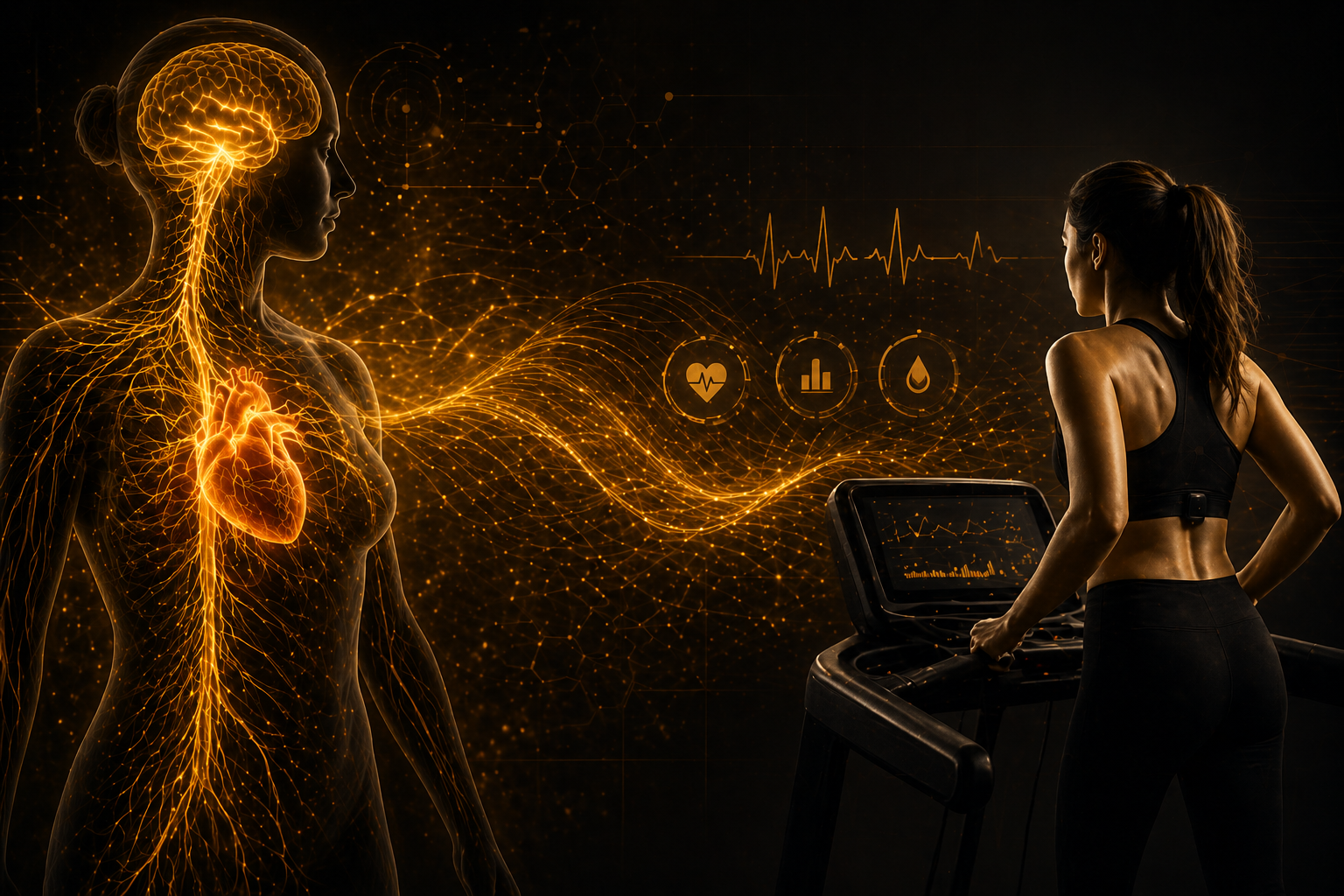
We use controlled, progressive exercise and physiologic monitoring to challenge and retrain the autonomic nervous system in a precise and measurable way.
This approach is evidence guided and objectively measured. There is no guarantee of a successful outcome, however over one hundred patients have experienced measurable significant positive changes in their sign and symptoms related to dysautonomia and POTS.
If we have a reasonable chance to help you we will not only tell you, we will show you the pathway to improved health. We use a multiple disciplinary approach because dysautonomia recovery is complicated and difficult, but not impossible. Using the providers from any field of healthcare that are best equipped to improve your specific needs is how we develop your recovery plan.
Why General Exercise Often Fails
Most exercise recommendations for POTS are too vague, too aggressive, or not aligned with the patient’s current physiologic capacity.
Common issues include:
Starting at intensities that exceed autonomic tolerance
Lack of heart rate monitoring or physiologic feedback
No progression model
Ignoring orthostatic intolerance
Failure to address underlying contributors such as cervical dysfunction or neurocardiac dysregulation
As a result, patients often feel worse, become discouraged, and stop.
A Structured Approach to Autonomic Rehabilitation
At NeuroSport, rehabilitation is not random exercise. It is a structured progression based on clinical findings and physiologic response.
The process includes:
Establishing baseline autonomic function through evaluation
Identifying limiting factors such as deconditioning, vascular dysregulation, or neurologic involvement
Initiating carefully controlled exercise based on tolerance
Progressively increasing demand using measurable parameters
Monitoring heart rate response and symptom response in real time
Adjusting the program based on objective data
The Moreau POTS Protocol™
A central component of autonomic rehabilitation at NeuroSport is the Moreau POTS Protocol™ (MPP).
This is a structured, clinically guided program that uses both dynamic and static cardiac demand to retrain the autonomic nervous system.
Dynamic cardiac demand increases heart rate and cardiac output through rhythmic movement
Static cardiac demand increases blood pressure through sustained muscular contraction
Together, these create a targeted physiologic stimulus that promotes improved autonomic regulation.
This is not generic conditioning. It is a directed approach designed to restore communication between the brain, heart, and vascular system.
👉 Link: Moreau POTS Protocol™ page
What This Looks Like for Patients
Autonomic rehabilitation is individualized and progresses over time.
Patients can expect:
A structured starting point based on their current tolerance
Gradual progression rather than abrupt increases in demand
Monitoring of heart rate and symptoms during exercise
Integration with other aspects of care, including cervical spine management when indicated
Adjustments based on response, not assumptions
Recovery is not immediate, but with the right approach, meaningful improvement is achievable.
Who Benefits from Autonomic Rehabilitation
Patients with POTS or suspected dysautonomia
Persistent symptoms after concussion
Exercise intolerance or rapid fatigue
Difficulty returning to activity or sport
Patients who have worsened with unstructured exercise programs
👉 Learn more:
If symptoms follow a menstrual pattern, your care plan can account for those changes.
Ready to Begin a Structured Recovery Plan?
If you are struggling with symptoms that have not improved with standard recommendations, a structured autonomic rehabilitation approach may be the missing piece.