

Search symptoms, conditions, or topics
NeuroSport Knowledge Center
Evidence-guided educational resources on dysautonomia, concussion, and complex neurologic conditions.
These resources are designed to help patients understand symptoms, underlying physiology, and the path to recovery.
Start Here:
Common Symptoms, Questions and Conditions
Clinical Education for Complex Neurologic, Autonomic, and Musculoskeletal Conditions
The NeuroSport Knowledge Center provides evidence-guided education for patients, families, clinicians, and referral partners. Content focuses on concussion, post-concussion syndrome, POTS, dysautonomia, autonomic rehabilitation, spine care, sports injuries, and related clinical conditions.
Articles are designed to help readers better understand symptoms, testing, treatment options, recovery considerations, and when a comprehensive evaluation may be appropriate.
The information provided in the Knowledge Center is for general educational purposes only. It is not intended to replace individualized medical evaluation, diagnosis, or treatment, and it should not be used as the sole basis for making decisions about personal health care. Symptoms and clinical presentations vary, and information that may be appropriate for one person may not be appropriate for another.
Readers should consult a qualified healthcare professional regarding specific symptoms, diagnoses, treatment decisions, medication changes, exercise recommendations, or concerns that require urgent medical attention.
For additional information, please review the important NeuroSport Website Disclaimer.
Explore Topics
Select a topic to jump directly to that section.
Clinical Topics
Symptoms & Clinical Problems
Understanding POTS, Dysautonomia, & Concussion
Conditions We Treat
Evaluation & Management
Diagnostic Testing & Clinical Evaluation
Supplements; electrolytes and sleep support.
Additional Areas
SYMPTOMS & CLINICAL PROBLEMS
Patients often present with symptoms that are difficult to explain and may involve multiple systems. These symptoms are commonly associated with autonomic dysfunction, post-concussion changes, or underlying musculoskeletal contributors.
Common symptoms we evaluate include:
Fatigue and reduced exercise tolerance
Brain fog and difficulty concentrating
Headaches, including cervicogenic patterns
Heart palpitations or rapid heart rate
Balance problems or instability
Neck pain and associated neurologic symptoms
What These Symptoms May Indicate
These symptoms may reflect dysfunction in one or more of the following:
Autonomic nervous system regulation
Neurocardiac (brain-heart) interaction
Cervical spine and sensorimotor integration
Post-traumatic or post-concussion changes
Deconditioning or volume regulation issues
When to Seek Evaluation
Symptoms that are persistent, worsening, or unexplained after standard care may require a more detailed and structured clinical assessment.
Understanding POTS, Dysautonomia, & Concussion
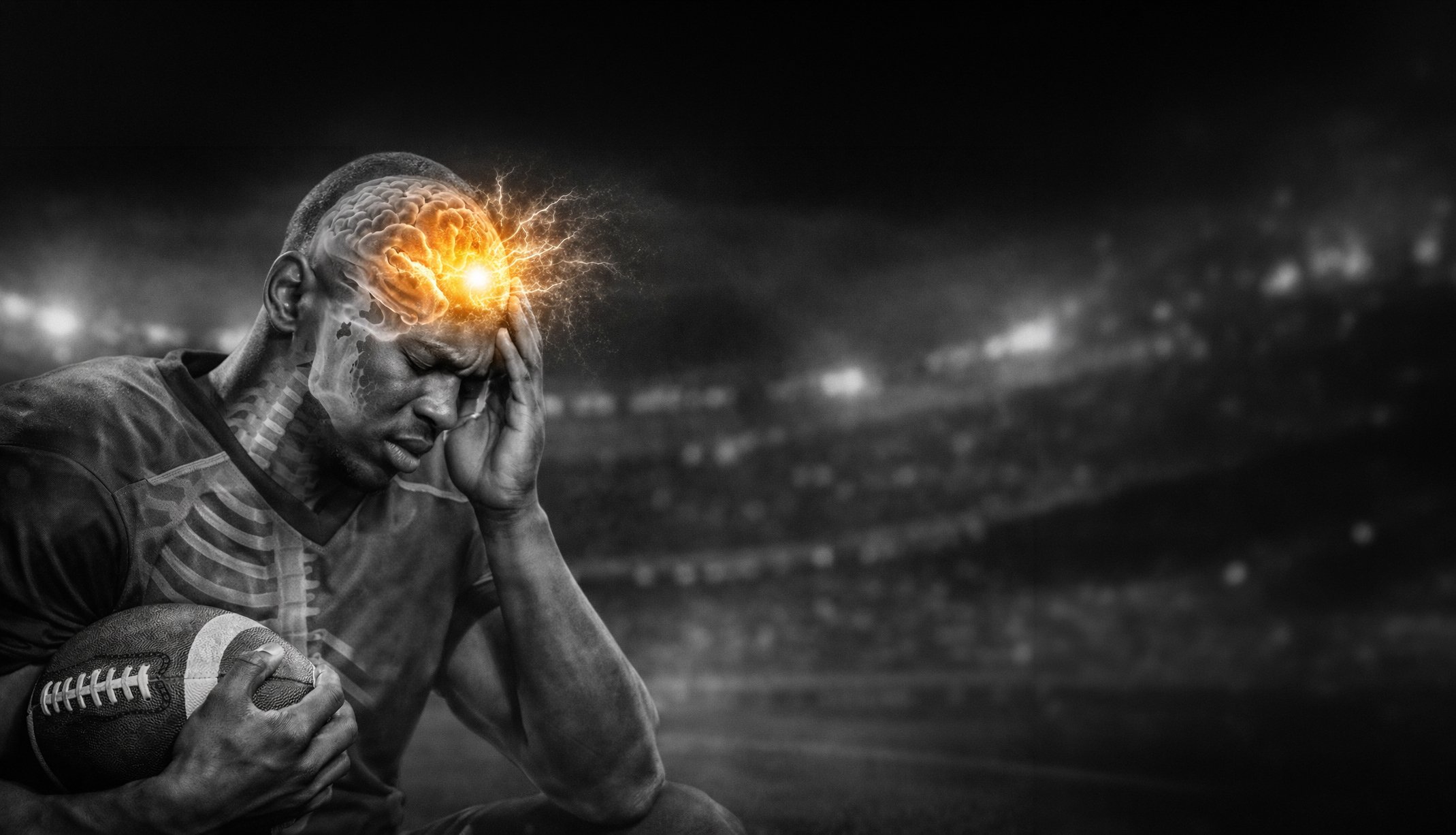
Explore POTS, dysautonomia, concussion, and post-concussion topics including persistent symptoms, abnormal autonomic regulation, exercise intolerance, normal imaging, dizziness, rapid heart rate, balance and vision problems, and delayed recovery.
These resources help patients, families, athletes, and referring clinicians understand how the brain, heart, circulation, and autonomic nervous system may contribute to complex symptoms and which physiologic systems may require further evaluation.
Key Topics:
Overlapping Conditions in POTS & Dysautonomia
Connective Tissue Disorders and Dysautonomia
Concussion and Autonomic Dysfunction
CONDITIONS WE TREAT
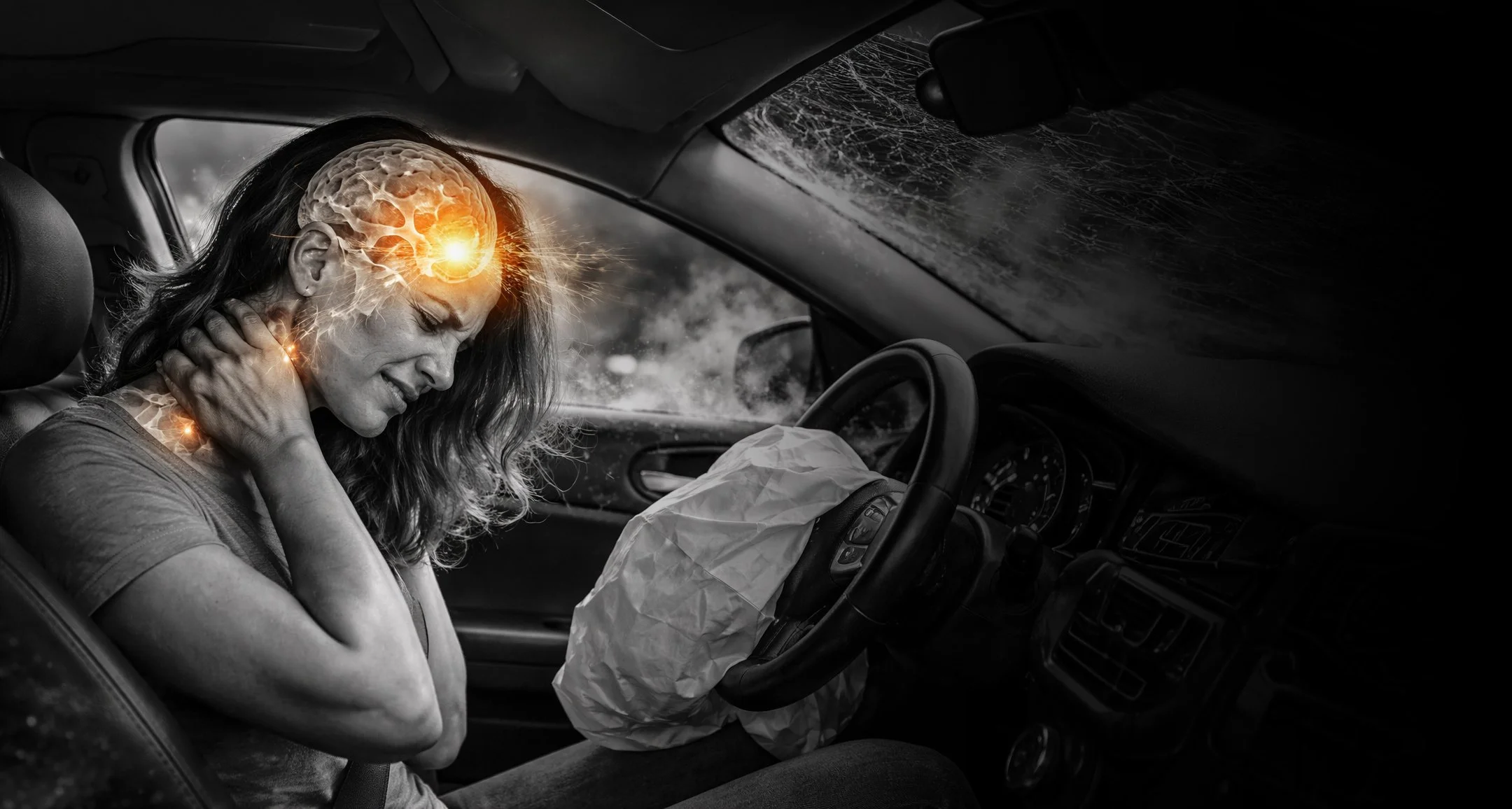
NeuroSport provides advanced evaluation and care for patients with complex neurologic, autonomic, and musculoskeletal conditions. Many patients present with persistent symptoms that have not improved with standard care and often involve overlapping systems.
We commonly manage:
Dysautonomia and Postural Orthostatic Tachycardia Syndrome (POTS)
Concussion and Post-Concussion Syndrome
Cervicogenic Dizziness and Chronic Headache
Spine-Related Conditions, including Disc and Sciatic Pain
Sports and Performance-Related Injuries
Connective Tissue Disorders, including Hypermobility Spectrum Disorders
DIAGNOSTIC TESTING & CLINICAL EVALUATION
Comprehensive, evidence-guided evaluation is essential to accurately identify autonomic dysfunction, concussion-related changes, and musculoskeletal contributors to symptoms. This section outlines the clinical testing and assessment strategies used at NeuroSport across sports medicine, neurologic, and complex patient presentations.
Key Topics:
Concussion Evaluation and Clinical Assessment
Cervical Spine Evaluation and Its Role in Symptoms
TREATMENT & REHABILITATION
Treatment at NeuroSport is based on identifying the underlying physiologic drivers of symptoms and applying a structured, individualized approach to care. Management focuses on restoring function across autonomic, neurologic, and musculoskeletal systems rather than addressing symptoms in isolation.
Core Treatment Strategies
Autonomic Rehabilitation
Structured, progressive exercise designed to improve autonomic regulation and tolerance to upright activity, including implementation of the Moreau POTS Protocol when indicatedSpine Management
Targeted chiropractic care to address spinal contributors to back pain, disc injury headache, and neurologic symptomsGraded Activity Progression
Controlled return to physical and cognitive activity based on patient tolerance and physiologic responseHydration and Electrolyte Strategies
Evidence-guided approaches to support blood volume and autonomic stability
Individualized Care Approach
Care plans are tailored based on clinical findings, patient presentation, and response to treatment. Many patients require a combination of interventions addressing multiple contributing systems.
Clinical Goal
The goal of treatment is to restore physiologic regulation, improve functional capacity, and guide patients toward a sustainable return to normal activity.
SPORTS MEDICINE & INJURY CARE
NeuroSport provides evaluation and management of sports-related and musculoskeletal injuries, with a focus on restoring function, optimizing recovery, and supporting return to activity. Care integrates biomechanical assessment with neurologic and physiologic considerations when indicated.
Common Presentations
Acute and chronic spine-related injuries
Sports-related musculoskeletal injuries
Overuse and repetitive stress conditions
Return-to-play and return-to-activity planning
Performance limitations related to prior injury
Integrated Clinical Approach
In many cases, musculoskeletal injury is not isolated. Symptoms may be influenced by neurologic or autonomic factors, particularly following concussion or prolonged recovery.
Evaluation focuses on identifying:
Biomechanical contributors
Neurologic involvement
Residual post-injury dysfunction
Barriers to full recovery
Return to Activity
Return to sport or activity is guided by objective findings, functional tolerance, and symptom response. Progression is structured to support safe and sustainable recovery.
RESEARCH AND CLINICAL INSIGHTS
NeuroSport integrates current research with clinical experience to guide evaluation and treatment of complex neurologic, autonomic, and musculoskeletal conditions. Ongoing review of emerging evidence supports a structured, evidence-guided approach to patient care.
Areas of Focus
Autonomic dysfunction and Postural Orthostatic Tachycardia Syndrome (POTS)
Post-concussion syndrome evaluation and management
Evidence guided care pathways
Cervical spine contributions to neurologic and autonomic symptoms
Artificial intelligence in healthcare
Clinical Application
Research findings are applied within a clinical framework that emphasizes pattern recognition, objective assessment, and individualized care planning. This approach supports more accurate diagnosis and targeted intervention in complex presentations.
Ongoing Development
Clinical protocols continue to evolve based on emerging evidence and patient outcomes, with a focus on improving functional recovery and long-term stability.
NEUROSPORT ARTICLES

Let’s work together